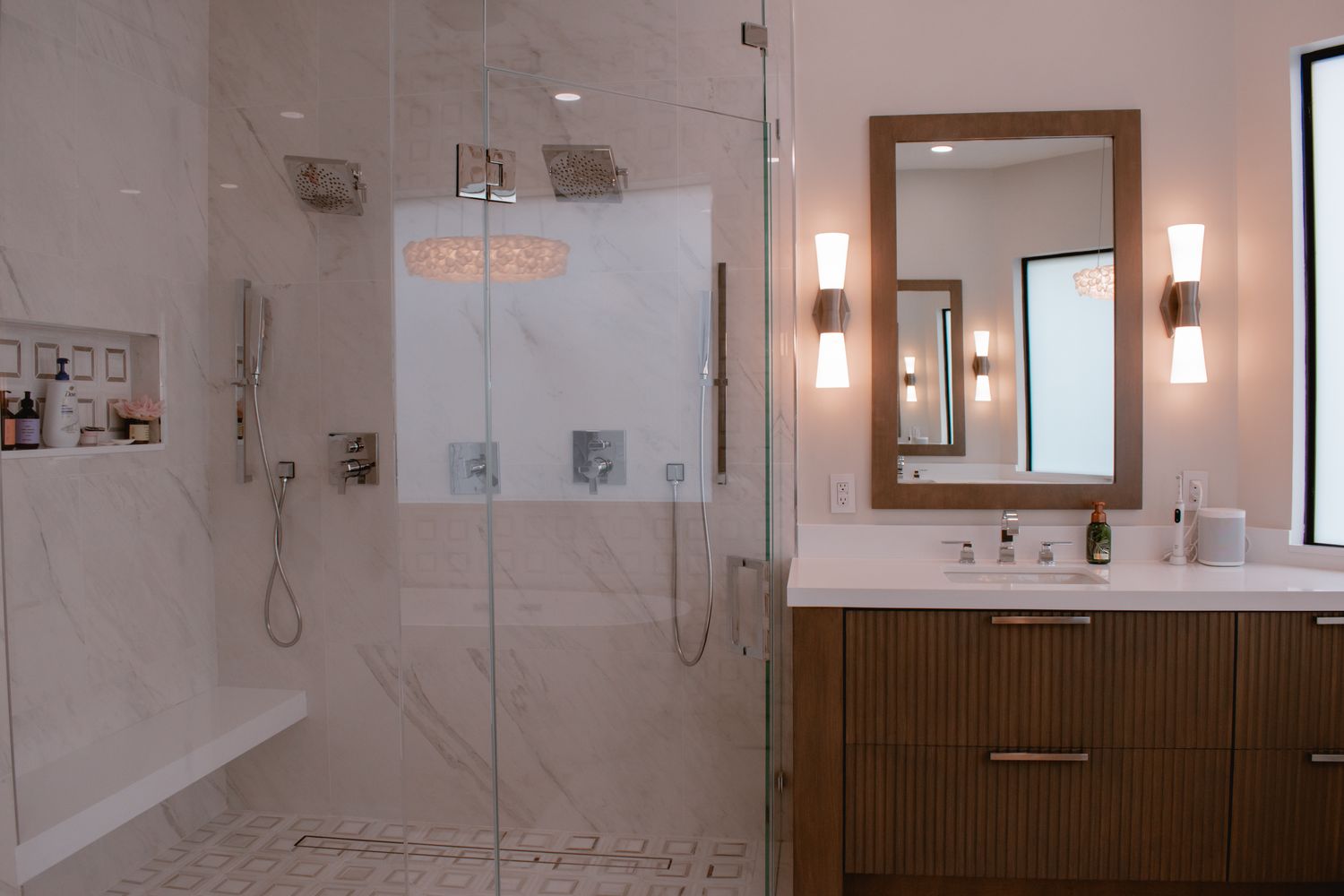
Bathroom Upgrade vs. Full Remodel: What’s the Cost Difference in Miami?

new-bathroom-plan

new-bathroom-plan

Not every bathroom project needs a full renovation. Some homes just need a refresh. Others need a complete overhaul. Knowing the difference matters, because bathroom upgrade cost and full remodel cost can be worlds apart.

Homeowners often ask the same question. How much does it cost to redo a bathroom the right way? The answer depends on scope. A bathroom remodeling contractor in Miami can help you decide which path actually fits your goals and your budget.

This guide breaks down what separates a simple upgrade from a full remodel. It also covers how each option affects your timeline, your permits, and your bathroom upgrade cost.

Key takeaways

  • A bathroom upgrade keeps the existing layout and plumbing, which keeps bathroom upgrade cost lower.
  • A full remodel changes the layout, plumbing, or structure, which raises both cost and timeline.
  • Permits are more likely required for a full remodel than for a simple upgrade.
  • Both options can improve daily comfort and home value, just at different scales.
  • A detailed, itemized estimate is the only reliable way to know your real project cost.

What Counts as a Bathroom Upgrade vs. a Full Remodel

A bathroom upgrade typically means updating what already exists. New fixtures, fresh paint, updated hardware, and a new vanity all fall into this category. The layout stays the same. The plumbing stays where it is. This is usually the lowest bathroom upgrade cost path available.

A full remodel goes much further. It often includes new flooring, a reworked layout, updated plumbing and wiring, and a new shower or tub. This is where bathroom upgrade cost turns into full remodel cost, since the scope of work expands significantly.

Neither approach is automatically better. It depends on your goals, your current systems, and how long you plan to stay in the home.

Scope Differences That Drive the Cost Gap

Bathroom upgrade cost stays low mainly because of what it avoids touching. The biggest driver behind the cost difference is plumbing. An upgrade generally keeps existing plumbing lines untouched. A full remodel often relocates fixtures, which means new plumbing work, new framing, and sometimes structural changes.

Electrical work follows a similar pattern. Swapping a light fixture is simple. Adding new wiring for a heated floor, updated lighting, or a smart mirror adds real cost to a full remodel that a basic upgrade would never touch.

Waterproofing scope also differs. An upgrade that does not touch the shower or tub area does not require new waterproofing. A full remodel that changes the shower footprint requires a completely new waterproofing membrane before tile goes back up.

Cost Categories Compared

The table below shows how the two approaches typically differ across common cost categories.

Category Bathroom Upgrade Full Remodel
Plumbing Untouched Often relocated or replaced
Electrical Minor fixture swaps New wiring, lighting, outlets
Waterproofing Not typically required Full membrane system needed
Layout Stays the same Often reconfigured
Permits Sometimes not required Usually required
Timeline Days to about a week Several weeks or more

Reviewing these categories side by side makes it easier to see where bathroom upgrade cost stays contained and where a full remodel adds real expense.

Timeline Differences Worth Planning For

A bathroom upgrade can often be completed in a matter of days. Swapping a vanity, updating fixtures, and repainting does not require extensive demolition or waiting on inspections.

A full remodel takes considerably longer. Demolition, plumbing rough-in, waterproofing, tile work, and final fixture installation all happen in sequence. Add permit review time, and a full remodel can take several weeks from start to finish.

Knowing this difference upfront helps you plan around your daily routine, especially if the bathroom will be out of use during construction.

Permits: When They Apply to Each Option

Most bathroom renovations in Miami-Dade and Broward County require permits when plumbing or electrical work is involved. A simple bathroom upgrade that only swaps fixtures in place may not trigger a permit requirement, which is one reason bathroom upgrade cost tends to stay lower and more predictable.

A full remodel almost always requires one, particularly when the layout changes or new plumbing lines are added. Skipping required permits is not worth the risk. Unpermitted work can complicate a future home sale and may need to be corrected retroactively.

What a Full-Service Remodel Really Includes

If you are leaning toward a full remodel, it helps to understand everything involved before committing. Our guide on what a full-service renovation really includes walks through each stage, from design and permitting through plumbing, waterproofing, and final inspection.

Choosing Between an Upgrade and a Full Remodel

The right choice depends on a few honest questions. Is your current layout working for your household? Are your plumbing and electrical systems outdated or original to the home? Do you plan to stay in the house long enough to enjoy a larger investment?

Working with an experienced team helps answer these questions clearly. At EJD Construction Contractors & Investment Corp, every project starts with a walkthrough. That walkthrough helps determine whether an upgrade or a full remodel actually fits your goals.

Getting an Accurate Bathroom Upgrade Cost Estimate

Because so many factors shape the final number, a generic online range can only tell you so much. Bathroom upgrade cost and full remodel cost both depend on your specific space, your existing systems, and the materials you select.

A detailed, itemized estimate remains the only reliable way to understand your real project cost, whether you are planning a quick refresh or a complete renovation.

Final Thoughts on Upgrade vs. Full Remodel Costs

A bathroom upgrade and a full remodel solve different problems at different price points. An upgrade refreshes what is already there. A full remodel rebuilds the space from the studs out. Both can improve your daily life and your home’s value, just on different scales and different timelines.

Understanding these differences before you start helps you choose the right project, and the right budget, for your Miami home.

Ready to figure out which option fits your bathroom? Contact our team to schedule a consultation and get a clear, itemized estimate for your project.

Frequently Asked Questions

1. How much does it cost to redo a bathroom compared to a simple upgrade?

A full remodel typically costs significantly more than a simple upgrade, since it involves plumbing changes, new waterproofing, and a longer construction timeline.

2. Can I do a bathroom upgrade without a permit?

In many cases, a simple fixture swap that does not touch plumbing or electrical systems may not require a permit, but this should always be confirmed with a licensed contractor first.

3. Is a full remodel always worth the higher cost?

It depends on your goals. A full remodel offers more customization and can address hidden issues, while a smaller upgrade may be enough if your layout and systems already work well.

4. How long does a bathroom upgrade take compared to a full remodel?

An upgrade can often be completed within days, while a full remodel typically takes several weeks due to plumbing, waterproofing, and permit requirements.

5. What is the best way to know my actual bathroom upgrade cost?

A detailed, itemized estimate based on an in-person walkthrough of your bathroom is the most reliable way to understand your real cost, whether you choose an upgrade or a full remodel.

Bathroom Remodel with a New Bathtub: Cost & Design Options

Bathroom Remodel

Bathroom Remodel

A new bathtub can change the entire feel of a bathroom. It is often the centerpiece of the room. For many Miami homeowners, a bathroom remodel built around a new tub is one of the most requested upgrades in the entire renovation.

Choosing the right tub involves more than picking a style you like. A full bathroom remodeling in Miami project has to account for plumbing, waterproofing, and how the new tub fits within the existing layout. This guide walks through the design options, cost factors, and planning steps that matter most.

Miami’s humidity also plays a role. Materials and installation methods that work well in drier climates do not always hold up the same way here. Understanding these details before you start protects both your bathroom remodel and your long-term investment.

Key takeaways

  • A bathroom remodel centered on a new tub involves plumbing, waterproofing, and layout considerations, not just style.
  • Freestanding tubs, alcove tubs, and walk-in tubs each fit different bathroom layouts and needs.
  • Miami’s humidity makes proper waterproofing and material selection especially important.
  • Converting a tub to a walk-in shower is one of the most requested changes in a bathroom remodel.
  • A detailed, itemized estimate is the best way to understand your actual project cost.

Why the Tub Is the Centerpiece of Many Bathroom Remodels

A bathtub does more than provide a place to bathe. It sets the tone for the entire room. Homeowners often build their color palette, tile choices, and fixture selections around the tub they choose.

This is one reason a bathroom remodel that includes a new tub deserves early planning. Deciding on the tub style before finalizing tile, plumbing rough-in, and layout helps avoid costly changes once construction begins.

Design Options for Your New Bathtub

Not every tub fits every bathroom. The right choice depends on your space, your plumbing, and how you actually use the room.

A freestanding tub creates a striking focal point. It works well in larger primary bathrooms. It gives a spa-like feel and does not require built-in surrounding walls, which can make a room feel more open. An alcove tub fits into a three-wall recess. It is a practical, space-efficient option for standard-sized bathrooms. It also pairs easily with a shower combination for households that want both options in one space.

A walk-in tub is designed for accessibility and safety. It has a door that opens for easy entry, rather than stepping over a high wall. This option has become increasingly popular for homeowners planning ahead for aging in place.

Each of these options changes the plumbing and waterproofing requirements slightly, which is part of why the tub decision should happen early in the bathroom remodel process.

Tub-to-Shower Conversions: A Popular Alternative

Not every bathroom remodel keeps the tub at all. Converting an existing tub into a walk-in shower is one of the most requested changes homeowners bring to a renovation. A walk-in shower can make a bathroom feel larger, offer easier daily access, and reduce slip risk compared to stepping over a tub wall.

This kind of conversion still requires careful planning. Existing plumbing lines, drain placement, and waterproofing all need to be evaluated before construction begins. A properly installed walk-in shower depends on a sloped, well-sealed pan and moisture barrier behind the tile, which protects the structure of the home over time.

Material Considerations for Miami’s Climate

Material choice matters more in a humid coastal climate than in many other markets. Acrylic and fiberglass tubs are lightweight and cost-effective. They also resist moisture damage well, which makes them a practical choice for many Miami homes. Cast iron and enameled steel tubs offer more durability and a heavier, more substantial feel. They do require solid subfloor support given their weight.

Surrounding tile and surface materials also need to hold up to constant moisture. Porcelain and ceramic tile remain popular choices for tub surrounds because they resist water absorption well when properly sealed and grouted.

Waterproofing: The Step That Protects Your Investment

Waterproofing around a tub is not optional in Miami’s climate. Every seam, corner, and wall adjacent to the tub needs a proper moisture barrier before tile goes up. Skipping or rushing this step can lead to mold growth and hidden water damage. That damage is far more expensive to repair than it would have been to prevent.

This is one of the reasons working with an experienced bathroom remodel team matters. Proper waterproofing techniques, inspected at each stage of construction, protect the home long after the final tile is set.

Plumbing Considerations When Changing Tub Style or Location

Keeping your tub in its existing location and footprint is the most budget-friendly path for a bathroom remodel, since it lets you reuse existing plumbing lines. Moving the tub, changing its size significantly, or converting to a different fixture type usually requires new plumbing work, which adds both cost and time to the project.

Confirming your plumbing rough-in dimensions before selecting a new tub is an important step. A beautiful tub that does not match your existing plumbing specifications can turn a straightforward installation into a costly change order.

Choosing the Right Contractor for Your Bathroom Remodel

Because a tub installation touches plumbing, waterproofing, tile work, and sometimes structural support, the contractor you choose matters as much as the tub itself. Experience with Miami’s building codes and humidity-related challenges helps avoid the kind of mistakes that lead to costly repairs down the line.

Our guide on mistakes homeowners should avoid when hiring a bathroom remodeling contractor covers the warning signs worth knowing before you sign a contract.

Planning a Realistic Timeline

A bathroom remodel involving a new tub typically moves through several stages: design and material selection, permitting, demolition, plumbing rough-in, waterproofing and tile, and final fixture installation. Layout changes or a tub-to-shower conversion generally extend this timeline compared to a straightforward tub swap in the same location.

Building extra time into your schedule for permit review and potential surprises behind existing walls helps set realistic expectations from the start.

Getting an Accurate Estimate

Because so many factors affect the final cost of a bathroom remodel, from tub style to plumbing changes to waterproofing scope, the most reliable way to understand your real number is a detailed, itemized estimate based on your specific bathroom.

At EJD Construction Contractors & Investment Corp, every bathroom remodel begins with a walkthrough and a clear scope of work, so you understand exactly what is included before construction begins.

Final Thoughts on Your Bathroom Remodel

A new bathtub can transform the feel of an entire bathroom, but getting it right takes more than choosing a style. Layout, plumbing, waterproofing, and material selection all play a role in a successful bathroom remodel, especially in Miami’s humid climate.

Planning these details early, and working with a contractor experienced in local codes and conditions, helps ensure your new tub or shower conversion looks great and holds up for years to come.

Ready to start planning your bathroom remodel? Contact our team to schedule a consultation and discuss the right tub or shower option for your Miami home.

Frequently Asked Questions

1. What type of tub is best for a small bathroom?

An alcove tub is often the most space-efficient option for standard or smaller bathrooms, since it fits into a three-wall recess and can pair with a shower combination.

2. Is it expensive to move a bathtub to a new location?

Relocating a tub usually requires new plumbing work, which adds cost and time compared to keeping the tub in its existing footprint and reusing current plumbing lines.

3. Why is waterproofing so important around a new tub?

Miami’s humidity makes proper waterproofing essential. Without a solid moisture barrier, water can damage walls, subfloors, and framing over time, leading to mold and costly repairs.

4. Should I convert my tub to a walk-in shower?

This depends on your household’s needs. A walk-in shower can make a bathroom feel larger and improve accessibility, while keeping a tub may matter more for households with young children or those who prefer bathing.

5. How do I get an accurate cost for my bathroom remodel?

A detailed, itemized estimate based on an in-person walkthrough of your bathroom is the most reliable way to understand your actual project cost.

The Bathroom Remodeling Process in Miami: Step-by-Step From Planning to Completion

Bathroom Remodeling

Bathroom remodeling in Miami is one of the most effective ways to improve comfort, functionality, and property value. Whether you are upgrading an outdated space or creating a modern design, understanding the remodeling process ahead of time helps you know what to expect at every stage. If you are planning a project, explore our bathroom remodeling page to see how our team manages the entire process from start to finish.

Introduction to the Bathroom Remodeling Process

A bathroom remodel involves more than simple upgrades. It is a complete transformation that enhances both style and usability while improving the overall value of your home, and it moves through a series of defined stages, from design through final inspection.

A well-planned bathroom remodel in Miami allows you to create a space that matches your lifestyle. From modern layouts to upgraded materials, every stage of the process contributes to a better daily experience. With the right approach, your bathroom becomes a relaxing and efficient part of your home.

How a Full-Service Remodel Moves From Start to Finish

A full-service project moves through every stage from initial planning to final completion under one team. This approach ensures that all aspects of the renovation are handled by a single point of contact, which creates a smooth and organized process.

Working with a professional bathroom remodeling contractor provides clarity and consistency throughout each phase. It also ensures that every detail is carefully managed, from design to installation, resulting in a cohesive finish that meets both functional and aesthetic goals.

Stage 1: Design Consultation and Planning

The design phase is where ideas take shape. It is the first and most important step in the remodeling process because it sets the direction for everything that follows.

  • Evaluating the current layout and identifying improvements
  • Selecting materials, colors, and finishes
  • Planning the placement of fixtures and storage

This stage ensures that the final design aligns with your vision while maintaining practicality and comfort.

Stage 2: Permits and Compliance

Permits and regulations play an essential role at this point in the process. A professional contractor ensures that all work meets local standards and requirements before construction begins.

  • Securing necessary permits before starting the project
  • Following Miami building codes and safety guidelines
  • Preparing for inspections at different stages

This step provides peace of mind and ensures the renovation moves forward correctly from day one.

Stage 3: Demolition and Structural Preparation

Demolition is the next step in the process. It involves removing old materials and preparing the space for new construction. Proper preparation ensures the remaining stages build on a strong foundation.

A professional team handles demolition carefully to protect the surrounding structure. This approach helps maintain the integrity of your home while creating space for new features.

Safe Removal of Old Fixtures

Removing outdated fixtures is necessary to make room for modern upgrades. This part of the process is handled efficiently to avoid damage.

  • Removing sinks, bathtubs, and toilets
  • Clearing old tiles and finishes
  • Disposing of materials responsibly

Structural Adjustments

In many cases, structural changes improve the layout and usability of the space. These adjustments happen before any new materials are installed.

  • Modifying walls or partitions
  • Strengthening floors for new installations
  • Preparing surfaces for tiles and fixtures

Stage 4: Plumbing Upgrades and System Enhancements

Plumbing upgrades are a core part of the remodeling process. They ensure the system functions efficiently and supports modern fixtures, while also improving water flow and long-term reliability.

Many homeowners choose to include plumbing upgrades at this stage to enhance performance and prevent future issues.

Pipe Replacement and Reconfiguration

Older plumbing systems may need to be replaced or adjusted to fit the new design.

  • Replacing outdated pipes with modern materials
  • Adjusting layouts to match new fixture placement
  • Improving drainage systems

Fixture Installation

Installing new fixtures adds both style and convenience once plumbing work is complete.

  • Modern sinks and vanities
  • Showers and bathtubs designed for comfort
  • Water-efficient toilets and faucets

Stage 5: Electrical Work and Lighting Design

Electrical upgrades typically run alongside plumbing work. Proper lighting improves functionality while creating a comfortable environment, and updated wiring ensures safety and supports modern appliances.

A well-designed lighting plan enhances both the appearance and usability of the finished space.

Wiring and Safety Updates

Modern bathrooms require reliable electrical systems to handle increased usage.

  • Installing safe and efficient wiring
  • Adding GFCI outlets for protection
  • Supporting new lighting and devices

Lighting Installation

Lighting plays a significant role in creating the right atmosphere.

  • Ambient lighting for general illumination
  • Task lighting around mirrors and sinks
  • Accent lighting to highlight design features

Stage 6: Waterproofing and Moisture Protection

Waterproofing is one of the most important stages in the process. Miami’s humid climate makes moisture control essential for maintaining the quality of materials and preventing damage down the line.

Proper waterproofing at this stage ensures your bathroom remains durable and easy to maintain over time.

Sealing and Membrane Installation

Professional waterproofing techniques protect key areas of the bathroom.

  • Installing waterproof membranes in wet zones
  • Sealing joints and edges carefully
  • Protecting floors and walls from moisture

Mold and Mildew Prevention

Preventing moisture buildup at this stage is essential for maintaining a clean environment later.

  • Using moisture-resistant materials
  • Improving airflow and ventilation
  • Reducing the risk of mold growth

Stage 7: Flooring and Wall Finishes

The choice of flooring and wall finishes defines the overall look of your bathroom, and installation typically follows waterproofing. High-quality materials add both beauty and durability to the finished project.

Careful installation at this stage ensures these finishes last for years while maintaining their appearance.

Tile Installation

Tiles are a popular choice due to their durability and design options.

  • Ceramic and porcelain tiles
  • Natural stone finishes
  • Easy-to-clean surfaces

Wall Treatments

Wall finishes contribute to the overall design and feel of the space.

  • Waterproof paint for long-lasting results
  • Decorative tiles for added style
  • Coordinated colors for a cohesive look

Stage 8: Cabinetry, Storage, and Fixtures

Storage solutions come together near the end of the process. They help keep the space organized and functional while enhancing its appearance.

Custom cabinetry allows homeowners to maximize available space and create a clean layout.

Vanity and Storage Solutions

Well-designed storage improves convenience and organization.

  • Installing modern vanities
  • Adding cabinets for extra storage
  • Creating efficient layouts

Fixture Finishing Touches

Fixtures complete the overall design and improve usability.

  • Faucets and showerheads
  • Handles and accessories
  • Matching finishes for consistency

Stage 9: Ventilation and Air Quality Improvements

Ventilation is addressed alongside the finishing stages. Proper airflow helps control humidity and supports the longevity of materials used earlier in the process.

A well-ventilated bathroom feels more comfortable and remains in good condition over time.

Exhaust Fan Installation

Exhaust fans help remove excess moisture and maintain a healthy environment.

  • Improving air circulation
  • Reducing humidity levels
  • Enhancing comfort

Air Circulation Enhancements

Better airflow contributes to a more efficient bathroom space.

  • Strategic placement of vents
  • Supporting overall climate control

Working with a Professional Contractor Throughout the Process

Choosing the right team is essential to keeping every stage on track. A skilled bathroom remodeling contractor ensures the process moves smoothly from design through final walkthrough.

Working with an experienced general contractor in Miami helps simplify coordination across every stage. It also ensures that all trades are scheduled effectively so the timeline stays on track.

  • Professional project management
  • Skilled workmanship
  • Clear communication throughout the process

Stage 10: Final Inspection and Quality Assurance

The last stage of the process focuses on ensuring that everything meets high standards. Each element is checked to confirm proper installation and performance.

This step ensures that your new bathroom is ready for everyday use and meets your expectations.

System Testing

All systems are tested to ensure they function correctly.

  • Checking plumbing and drainage
  • Verifying electrical systems
  • Ensuring fixtures operate smoothly

Finishing and Cleanup

The final touches close out the process.

  • Cleaning all surfaces thoroughly
  • Polishing fixtures and finishes
  • Preparing the bathroom for use

Why Understanding the Process Matters for Homeowners

Understanding each stage of the remodeling process helps homeowners plan effectively. It ensures that every detail is considered and that the project runs smoothly from start to finish.

Clear communication with your bathroom remodeling contractor at every stage leads to better results. It also helps avoid confusion and ensures that your vision is achieved. For a closer look at what’s included at each stage, see our companion guide on what bathroom renovation services actually include.

Conclusion

The bathroom remodeling process in Miami moves through design, demolition, plumbing upgrades, waterproofing, and finishing stages in a clear sequence. Following a structured process ensures that every stage is handled professionally and efficiently.

By working with experienced professionals, homeowners can move through each stage with confidence and end up with a space that is both functional and visually appealing. If you are ready to begin your renovation, get in touch with EJD Construction and take the first step toward creating your ideal bathroom.

Frequently Asked Questions

1. What are the main stages of the bathroom remodeling process?

The process typically includes design and planning, permitting, demolition, plumbing and electrical upgrades, waterproofing, flooring and finishes, and a final inspection.

2. Why is waterproofing an important stage in the process?

Waterproofing protects against moisture damage, supports durability, and helps maintain the quality of materials installed in later stages.

3. How long does each stage of the process typically take?

Timelines vary by project scope, but most full remodels move through design, permitting, and construction stages over several weeks to a few months.

4. What happens during the final stage of the process?

The final stage includes system testing, cleanup, and a walkthrough to confirm everything meets both code requirements and your expectations.

5. How can a general contractor help manage the process?

A general contractor coordinates every stage and trade involved, from permits through final inspection, keeping the project on schedule and reducing the chance of costly delays.

Average Bathroom Remodel Cost in Miami: What Homeowners Actually Pay

 Bathroom Remodel

Every website seems to give a different number for the average bathroom remodel cost. That’s because there is no single answer. The average bathroom remodel cost depends on the size of your space. It also depends on your materials, your plumbing, and how much of the layout you want to change.

This guide breaks down what shapes the average bathroom remodel cost in Miami. We won’t throw random numbers at you. Pricing depends on your specific project. Instead, we’ll walk through the factors that shape your final number. That way, you can plan your budget with confidence.

What Shapes the Average Bathroom Remodel Cost in Miami?

The average bathroom remodel cost is not one simple line item. It’s a mix of demolition, plumbing, electrical work, waterproofing, tile, fixtures, labor, and permits. Each piece adds to your total. Each one can push your average bathroom remodel cost up or down, depending on your choices.

Miami homeowners also deal with local factors that other cities don’t face. Humidity, coastal building codes, and permit rules all play a role in your bathroom remodel cost. A bathroom remodeling contractor who knows South Florida standards can help you avoid costly surprises once work begins.

Bathroom Size and Layout Changes

Size is one of the biggest factors behind the average bathroom remodel cost. A small powder room costs less to renovate than a large primary bathroom. That’s simply because there is less material, less labor, and fewer fixtures involved.

Layout changes add another layer. Keeping your current footprint is the most budget-friendly path. It lets you reuse your existing plumbing lines. Moving a toilet or relocating a shower will raise your project total. That’s because it needs new plumbing, framing, and sometimes structural work too.

If you’re unsure whether to keep your layout or change it, talk it through with a professional first. This helps you avoid surprises once your budget is set.

Materials and Finishes

Materials have a major effect on the average bathroom remodel cost. They’re also where you have the most control. Tile, countertops, cabinets, and fixtures come in a wide range of price points. Your choices here can move your total up or down by a lot.

A few decisions that shape your bathroom remodel cost include:

  • Standard ceramic tile versus natural stone or large-format porcelain
  • Prefabricated vanities versus custom-built cabinetry
  • Standard fixtures versus designer or smart fixtures
  • Basic shower enclosures versus frameless glass installations

None of these choices are right or wrong. They simply reflect different priorities. Understanding how each one affects your final number helps you spend your budget where it matters most.

Plumbing and Electrical Work

Plumbing and electrical work are two of the most important parts of the average bathroom remodel cost. They’re also easy to overlook. Older Miami homes sometimes have outdated plumbing. That plumbing often needs updates before new fixtures can go in.

If your renovation adds new lighting, a heated floor, or wiring for a smart mirror, plan for that in your budget too. A licensed contractor should check your existing systems early. This helps avoid surprises once the walls are opened.

Permits and Labor

Most bathroom renovations in Miami need permits. This is especially true when plumbing or electrical work is involved. Permit fees, inspections, and code checks are all part of the total. They’re easy to forget when you’re focused on tile samples and fixture finishes.

Labor is usually the largest single piece of any renovation budget. Skilled tradespeople matter here. Licensed plumbers, electricians, and tile installers help build a bathroom that lasts. Cutting corners on labor to save money now often leads to bigger repair bills later. Experienced homeowners treat skilled labor as an investment, not an expense.

Small Remodel vs. Full Renovation

Not every bathroom needs a full gut renovation. This is one of the easiest ways to manage your average bathroom remodel cost. A simple refresh can update the vanity, fixtures, and paint. It can change the whole feel of a room without touching plumbing or walls.

A full renovation is different. It usually includes new flooring, a reworked layout, updated plumbing and wiring, and a new shower or tub. This raises your average bathroom remodel cost. But it also allows a more custom result. It can also fix hidden issues, like old wiring or aging pipes.

Choosing between a small update and a full overhaul often comes down to your home’s age. It also depends on the condition of your current systems and how long you plan to stay in the home. Browsing our bathroom renovation gallery is a good way to see the difference between a refresh and a full remodel before you decide.

How Miami’s Climate and Building Codes Affect Cost

South Florida’s climate adds its own layer to any renovation. High humidity and moisture exposure are constant here. Waterproofing, ventilation, and mold-resistant materials aren’t optional extras. They’re a must for a bathroom that lasts, and they factor directly into your average bathroom remodel cost.

Miami-Dade and Broward County also have their own building codes. These cover wind resistance, plumbing, and electrical safety. A contractor who knows these rules can help you avoid failed inspections or rework. That keeps your bathroom remodel cost more predictable, especially compared to an out-of-town chain unfamiliar with local codes.

Ways to Manage Your Bathroom Remodel Budget

Your average bathroom remodel cost depends on many things. Still, there are simple ways to keep your project on budget:

  • Keep your existing plumbing layout whenever possible
  • Choose durable, moisture-resistant materials to cut long-term upkeep
  • Prioritize the upgrades that matter most to your daily routine
  • Ask for a detailed, itemized estimate before work begins
  • Work with one team that handles design, permits, and construction together

These steps won’t erase the cost of quality materials or skilled labor. But they will help you see exactly where your money goes. They also help you avoid the change orders that can inflate a project midway through.

Why Hire a Professional Bathroom Remodeling Contractor

The average bathroom remodel cost is shaped by many moving parts. That’s why working with an experienced team makes a real difference. A professional contractor checks your plumbing, wiring, and structure before work starts. This means fewer surprises and a more accurate budget from day one.

An experienced team also brings design guidance and code knowledge to the table. They keep your renovation on schedule too. If you want a deeper look at what to watch for, our post on mistakes homeowners make when hiring a contractor covers the red flags worth knowing before you sign anything.

Get an Accurate Estimate for Your Miami Bathroom Remodel

Every bathroom is different. The only way to know your true average bathroom remodel cost is to have your space checked by a professional. Size, materials, plumbing condition, and layout changes all play a role. A detailed walkthrough turns these variables into a real number.

At EJD Construction, we’ve guided Miami homeowners through renovations for over two decades. We’re happy to walk you through what shapes your bathroom remodel cost before you commit to anything. Contact us today to schedule a free consultation and get a clear, itemized estimate for your bathroom renovation.

Frequently Asked Questions

1. How can I get an accurate number for my project?

The only sure way to know your true renovation cost is an in-person look at your space. A contractor checks your plumbing, layout, and material choices. Then they give you a detailed, itemized estimate.

2. Does a bigger bathroom always cost more to renovate?

Usually, yes. A larger space means more flooring, more tile, and more fixtures. That adds to your total. That said, layout changes and material choices can sometimes matter more than square footage alone.

3. Can I renovate in phases to spread out the expense?

Some homeowners tackle cosmetic updates first, like fixtures and finishes. They save plumbing or layout changes for later. This can make a project feel more manageable. Still, working with one contractor from the start tends to keep things more consistent.

4. What’s the biggest budgeting mistake homeowners make?

Forgetting to plan for permits, labor, and surprise plumbing repairs is a common mistake. Set aside extra funds before work begins. This helps you stay calm if something unexpected turns up once the walls are open.

Bathroom Remodel in Miami: What to Know Before You Renovate

bathroom-remodel

bathroom-remodel

A bathroom remodel is one of those projects that looks simple on the surface and gets complicated fast once you start peeling back the layers, literally. Between plumbing, waterproofing, ventilation, and Miami’s own permitting rules, there’s a lot more to plan for than picking out tile.

If you’re getting ready to start, it helps to understand what a real bathroom remodel actually involves before you sign a contract or start demolition. In this guide, we’ll walk through the key decisions, code requirements, and planning steps every Miami homeowner should know before renovating a bathroom in 2026.

Why Bathroom Remodels Are More Complex Than They Look

Bathrooms pack more systems into a small footprint than almost any other room in the house. Plumbing, electrical, ventilation, and waterproofing all have to work together, and in Miami’s humid climate, getting any one of them wrong can lead to mold, water damage, or costly repairs down the line.

That’s why a bathroom remodel typically involves more coordination between trades than homeowners expect. A plumber, electrician, tile setter, and waterproofing specialist may all need to touch the same space at different stages of the project, and getting the sequencing right is part of what a general contractor manages.

Permits: What Miami Homeowners Need to Know

Most bathroom renovations in Miami-Dade and Broward County require a permit, especially if the project involves moving plumbing lines, upgrading electrical, changing the layout, or altering structural elements. Even projects that seem cosmetic, like replacing a tub with a walk-in shower, can trigger plumbing and waterproofing inspections.

Permit review timelines vary depending on scope and jurisdiction, but multi-trade bathroom projects typically take longer to clear plan review than single-trade jobs. Building this time into your overall schedule prevents unrealistic expectations about when construction can actually begin.

Skipping permits isn’t worth the risk. Unpermitted bathroom work can create real problems when it’s time to sell your home, since it often has to be disclosed and may need to be brought up to code retroactively.

Waterproofing: The Step You Can’t Skip

Of every system in a bathroom, waterproofing is the one most likely to cause expensive problems if it’s done incorrectly. Shower pans, tub surrounds, and any wall adjacent to a wet area need proper membrane systems before tile goes up.

In South Florida’s climate, moisture that gets behind tile or under flooring doesn’t just sit there. It leads to mold growth, subfloor damage, and deteriorated framing over time. A contractor who understands proper waterproofing techniques and inspects the work at each stage protects your investment far more than a lower bid that skips steps.

Ventilation Matters More Than Most Homeowners Realize

A bathroom without adequate ventilation traps humidity, which accelerates mold growth and shortens the life of paint, grout, and cabinetry. Florida’s building code requires exhaust fans in bathrooms without operable windows, and even bathrooms with windows often benefit from mechanical ventilation given the region’s humidity levels.

If your current bathroom feels consistently damp or takes a long time to dry after a shower, upgrading ventilation should be part of your renovation plan, not an afterthought.

Layout Changes vs. Cosmetic Updates

One of the biggest decisions in any bathroom project is whether you’re keeping the existing layout or changing it. Cosmetic updates, like replacing a vanity, retiling, or upgrading fixtures, are more straightforward and typically move faster through permitting.

Layout changes, such as relocating plumbing, expanding a shower footprint, or converting a tub to a walk-in shower, involve more coordination between trades and usually require more extensive permit review. Neither approach is inherently better. It depends on your goals, your existing plumbing configuration, and your budget priorities.

Vanities, Fixtures, and Lead Times

Cabinetry and fixtures often have longer lead times than homeowners anticipate, particularly for semi-custom or imported vanities, specialty tile, and certain plumbing fixtures. Ordering these items early, ideally right after signing your contract, helps prevent delays once construction begins.

It’s also worth confirming that your selected fixtures are compatible with your existing plumbing rough-in dimensions. Swapping in a fixture with different specifications mid-project can turn a simple installation into a change order. Our guide on what a full-service bathroom renovation really includes covers this stage of the process in more detail.

Common Mistakes to Avoid During a Bathroom Remodel

A few missteps show up again and again in bathroom projects, and most of them are avoidable with the right planning.

Skipping permits to save time. It rarely saves money in the long run, and it can create real complications when selling the home later.

Choosing fixtures before confirming plumbing compatibility. A beautiful fixture that doesn’t match your existing rough-in dimensions can turn a simple swap into a costly change order.

Underestimating ventilation needs. Humidity that lingers after every shower accelerates wear on paint, grout, and cabinetry, and it’s far easier to address during the remodel than after.

Focusing only on the bottom-line price. The lowest bid often means corners were cut somewhere, whether it’s waterproofing, materials, or project oversight. Comparing itemized quotes gives a much clearer picture than comparing totals alone.

Not planning for downtime. Most bathroom remodels take the primary bathroom out of use for a period of time, so having a backup plan for daily routines makes the process far less stressful.

How to Read a Bathroom Remodel Quote

When comparing contractor quotes, look past the bottom-line number and review the line items. A legitimate bathroom remodeling quote should break down demolition, plumbing, electrical, waterproofing, tile installation, vanity and fixture installation, ventilation, permits and inspections, and project management.

Pay close attention to allowance lines for items you haven’t selected yet, like tile, fixtures, or vanities. If your final selections exceed the allowance, the difference becomes a change order. Confirming your selections before signing keeps your final cost aligned with your original quote.

Choosing the Right Contractor for Your Bathroom Remodel

A few steps go a long way toward protecting your investment:

  • Verify your contractor’s Florida license through the Department of Business & Professional Regulation
  • Ask for references from recent bathroom projects specifically
  • Insist on a written, itemized scope of work
  • Confirm who is responsible for permits and inspections
  • Ask how waterproofing and ventilation will be handled before tile goes up

A bathroom remodel touches more systems than most homeowners realize, which makes contractor experience and proper sequencing especially important.

Planning Timeline for a Bathroom Remodel

  • Design and material selection. Finalize your layout, fixtures, tile, and vanity before signing your contract.
  • Permitting. Submit for permits based on your project’s scope, and build review time into your schedule.
  • Demolition and rough-in. Plumbing and electrical work happens before walls close up.
  • Waterproofing and tile. This stage protects your bathroom for years to come, so it deserves careful attention.
  • Fixtures and finishing. Vanity, hardware, and final touches complete the project.
  • Final walkthrough. Confirm every detail matches your original scope before the project is considered complete.

How EJD Construction Supports Bathroom Renovations in Miami

Our team at EJD Construction Contractors & Investment Corp has managed bathroom, kitchen, and full home renovations across Dade and Broward County since 2004. Every project begins with a walkthrough and a clear, itemized estimate, so you understand the scope, timeline, and cost before any work begins.

We coordinate every trade involved in a bathroom remodel, from plumbing and electrical to waterproofing and tile, and manage permitting and inspections from start to finish so nothing falls through the cracks.

Final Thoughts

A bathroom remodel involves more moving parts than most homeowners expect, from permitting and waterproofing to ventilation and trade coordination. Understanding these pieces before you start protects both your budget and your home.

To learn more about our team, our process, and the experience behind every project we take on, visit our About Us page, or reach out directly to start planning your bathroom remodel.

Frequently Asked Questions

1. Do I need a permit for a bathroom remodel in Miami?

In most cases, yes. Any bathroom remodel involving plumbing, electrical, or structural changes requires a permit in Miami-Dade and Broward County. Purely cosmetic updates may not, but it’s best to confirm with a licensed contractor before starting work.

2. How long does a bathroom remodel take?

Timelines depend on scope. A cosmetic update generally moves faster than a full bathroom remodel involving a layout change, since larger projects require more extensive permitting and trade coordination.

3. What’s the most important part of a bathroom remodel?

Waterproofing is one of the most critical steps, since it protects the structure of your home from moisture damage over time. Proper ventilation is a close second, especially in Miami’s humid climate.

4. Does EJD Construction provide estimates for bathroom remodels?

Yes. Our team provides detailed, itemized estimates for bathroom remodeling projects across Dade and Broward County, based on more than two decades of experience in South Florida construction.

Small Bathroom Remodel Cost in Miami: Budget-Friendly Ideas That Still Impress

Small bathrooms have a reputation for being the easiest room in the house to overlook, until you realize how much daily use they actually get. The good news is that a smaller footprint doesn’t mean a smaller opportunity for a beautiful result. It just means every decision carries a little more weight.

Understanding small bathroom remodel cost starts with knowing which choices actually move the needle and which ones are just nice to have. In this guide, we’ll walk through what drives small bathroom remodel cost in Miami, which design decisions save money without looking cheap, and where it’s worth spending a little more.

Why Small Bathrooms Don’t Always Lower Your Bathroom Remodel Cost

It seems logical that a smaller room should reduce small bathroom remodel cost, and in some ways it does; less tile, less flooring, fewer materials overall. But labor doesn’t scale down the same way materials do.

Plumbers and electricians often spend nearly the same amount of time working in a small bathroom as they would in a larger one, since the core systems (supply lines, drains, wiring, ventilation) don’t shrink just because the room does. Add in tight working conditions that can slow certain tasks down, and small bathroom remodeling cost sometimes lands closer to a mid-size bathroom than homeowners expect.

Understanding this upfront helps set realistic expectations and puts the focus where it matters: making smart choices about layout, fixtures, and finishes instead of assuming size alone will control the budget.

Space-Saving Design Ideas That Still Look High-End

A few design choices consistently deliver the biggest visual impact for the effort involved.

  • Wall-mounted vanities and toilets create the illusion of more floor space by leaving the area beneath them open, which makes a small bathroom feel noticeably larger without adding square footage.
  • Large-format tile on floors and walls reduces the number of grout lines, which both simplifies installation and makes the room read as more spacious and modern than smaller mosaic tile.
  • A single continuous surface material, like carrying the same tile from the floor onto the shower wall, removes visual breaks that make small rooms feel choppy.
  • Frameless glass shower enclosures let light travel through the space instead of being blocked by a shower curtain or framed door, which makes a real difference in a compact layout.
  • Light, neutral color palettes with a single accent, whether it’s a tile pattern, a paint color, or a fixture finish, keep a small bathroom feeling airy rather than cluttered.

Where to Save and Where to Spend

Not every dollar in a bathroom remodel delivers equal value. Knowing where to prioritize spending, and where to hold back, makes a real difference in the final result.

  • Worth spending on: waterproofing, ventilation, and quality plumbing fixtures. These are the systems that protect your home from moisture damage and are the most disruptive and expensive to fix later if done poorly the first time.
  • Worth saving on: cabinet hardware, light fixtures, and mirrors. These items are easy to upgrade later without touching plumbing or tile, so there’s less risk in choosing a more affordable option now.
  • A smart middle ground: semi-custom vanities instead of fully custom builds. They offer more configuration options than stock pieces without the lead time and expense of a made-to-order piece.

Budget-Friendly Choices That Lower Small Bathroom Remodel Cost

A few practical swaps can meaningfully affect small bathroom remodel cost without compromising the finished look.

  • Prefabricated shower units cost less than custom-tiled showers and install faster, while still looking clean and modern in the right design.
  • Refinishing an existing tub instead of replacing it can preserve a functional fixture while updating its appearance, as long as the tub is structurally sound.
  • Quartz or solid-surface countertops in smaller sizes cost less than natural stone slabs and hold up well to daily use and moisture.
  • In-stock tile and fixtures avoid the longer lead times and higher costs that come with special-order or imported materials, which matters if your project timeline is tight.

What to DIY and What to Leave to Professionals

Some tasks are genuinely safe for a confident homeowner to tackle, while others carry real risk if done incorrectly.

  1. Reasonable to DIY: painting, replacing cabinet hardware, swapping a mirror, or installing a new light fixture that doesn’t require rewiring.
  2. Better left to licensed professionals: anything involving plumbing, electrical work, waterproofing, or structural changes. Mistakes in these areas are expensive to fix and can create serious problems, including mold growth and water damage, if not done correctly.

A good rule of thumb: if a mistake could lead to a leak, an electrical hazard, or a code violation, it’s worth hiring a licensed contractor rather than tackling it yourself.

Planning a Small Bathroom Remodel Step by Step

  1. Define your priorities first. Decide what matters most: more storage, better lighting, an updated shower, or all of the above.
  2. Choose your layout before selecting finishes. Fixture placement affects plumbing costs more than almost any other decision.
  3. Select in-stock materials where possible to avoid long lead times that can stall your project.
  4. Get an itemized quote from a licensed contractor so you understand exactly what’s included before signing anything.
  5. Set aside a contingency budget, especially in older homes where plumbing or electrical surprises are common once demolition begins.

If you’re comparing fixture options and want to make sure your choices hold up in South Florida’s climate, our guide on choosing plumbing fixtures for a Florida bathroom remodel covers durability and water-efficiency considerations in more detail.

Layout Decisions That Influence Small Bathroom Remodeling Cost

Beyond fixtures and finishes, the layout itself plays a major role in determining small bathroom remodeling cost. Keeping plumbing fixtures in their existing locations is almost always the most budget-friendly approach, since relocating supply lines and drains adds both labor and permitting time.

If a layout change is genuinely necessary, such as converting a tub to a walk-in shower, it helps to plan for it early rather than deciding mid-project. Changes made after demolition has started almost always cost more than the same decision made during planning, since reworking completed work adds both materials and labor that wouldn’t otherwise be needed.

Door swing direction, storage placement, and how the space feels when you walk in are also worth considering before finalizing a layout. Small adjustments, like swapping a swinging door for a pocket door, can meaningfully improve how a compact bathroom functions without adding significant cost.

Common Bathroom Remodel Mistakes

A few missteps show up again and again in bathroom projects, and most are avoidable with the right planning.

  1. Choosing finishes before confirming the budget. It’s easy to fall in love with a tile or fixture that doesn’t fit the overall plan. Setting priorities early prevents difficult trade-offs later.
  2. Underestimating storage needs. Small bathrooms benefit enormously from built-in niches, recessed medicine cabinets, and vertical storage, all of which are easier to plan for during construction than to add afterward.
  3. Skipping ventilation upgrades. Miami’s humidity makes proper exhaust fans essential, not optional, especially in a small, enclosed space where moisture has fewer places to escape.

How EJD Construction Approaches Small Bathroom Remodels

Our team at EJD Construction Contractors & Investment Corp has worked on bathroom projects of every size across Dade and Broward County since 2004, and small bathrooms often require just as much planning as larger ones, sometimes more, since every fixture and finish decision has a bigger visual impact in a compact space.

We provide detailed, itemized estimates so homeowners understand exactly where their budget is going, and we help identify which upgrades deliver the most value for a small bathroom’s unique layout and constraints.

Final Thoughts

A small bathroom remodel doesn’t have to mean a small impact. With the right layout choices, smart material selections, and a clear understanding of where your small bathroom remodel cost makes the biggest difference, a compact bathroom can feel just as polished as a much larger one.

If you’re ready to plan your small bathroom remodel, our team is happy to walk you through the details. Contact us to schedule a consultation and get a clear, itemized estimate for your project.

Frequently Asked Questions

1. What affects small bathroom remodel cost the most?

Labor is often the biggest factor, since plumbing and electrical work take nearly as much time in a small bathroom as a larger one. Material and fixture choices, along with whether the layout changes, also play a significant role.

2. Is small bathroom remodeling cost usually lower than a full-size bathroom?

Not always. While material costs tend to be lower due to less square footage, labor costs often stay similar, which can make small bathroom remodeling cost closer to a mid-size bathroom than most homeowners expect.

3. What design choices make a small bathroom feel bigger without a big budget?

Wall-mounted vanities, large-format tile, frameless glass shower enclosures, and light, neutral color palettes are some of the most effective ways to make a small bathroom feel more spacious without a major cost increase.

4. Should I DIY any part of a small bathroom remodel to save money?

Cosmetic updates like painting, hardware swaps, and lighting changes are reasonable to DIY. Plumbing, electrical, and waterproofing work should be handled by a licensed professional to avoid costly mistakes.

5. Does EJD Construction take on small bathroom remodel projects?

Yes. Our team provides detailed, itemized estimates for bathroom remodels of all sizes across Dade and Broward County, based on more than two decades of experience in South Florida construction.

Hiring a Bathroom Remodeling Contractor in Miami: Mistakes Homeowners Should Avoid

A bathroom remodel can change the way your home feels. It can add comfort, improve daily life, and make better use of space. Many homeowners start a remodel with excitement. However, problems can happen when the wrong contractor is hired. A skilled Bathroom Remodeling Contractor in Miami can help you avoid delays, poor workmanship, and costly repairs.

The good news is that most remodeling mistakes can be avoided. You simply need to know what to look for before work begins. This guide explains the most common mistakes homeowners make and how to choose the right contractor for a successful bathroom remodel.

Why Hiring the Right Contractor Matters

Your bathroom is one of the busiest rooms in your home. People use it every day. Water, steam, and daily wear can put stress on the space. A good contractor helps make sure everything is built the right way.

This includes:

  • Plumbing
  • Flooring
  • Lighting
  • Tile work
  • Ventilation
  • Storage

When these parts work together, the room looks better and lasts longer.

Mistake #1: Choosing the Lowest Price

Many people focus on price first. Saving money is important. However, the cheapest option is not always the best one.

A very low quote may mean:

  • Lower-quality materials
  • Less skilled labor
  • Missing project details
  • Shortcuts during work

Instead of looking only at price, focus on value. A quality bathroom remodel can help prevent problems later.

Mistake #2: Not Checking Experience

Not all contractors have the same skills. Some focus on kitchens. Others focus on new homes. Bathroom remodeling requires special knowledge.

A contractor should understand:

  • Water protection
  • Plumbing systems
  • Tile installation
  • Small-space design

Experience often leads to better results.

Mistake #3: Skipping License Checks

Always check if a contractor has the proper license. A licensed contractor follows state and local rules. This helps protect homeowners. You should also ask about insurance.

Insurance helps cover unexpected issues during the project. Never assume a contractor has the right paperwork. Always verify it.

Mistake #4: Ignoring Reviews

Reviews tell you a lot about a company.

Look for feedback about:

  • Work quality
  • Timelines
  • Customer service
  • Clean job sites
  • Problem solving

Good reviews often show a history of strong work. Poor reviews can reveal warning signs. Take time to read them before making a choice.

Mistake #5: Not Asking Enough Questions

Many homeowners feel nervous asking questions. Do not be afraid to ask. A good contractor should be happy to explain the process.

Ask about:

  • Project steps
  • Materials
  • Schedule
  • Permits
  • Cleanup

Clear answers build trust.

Mistake #6: Poor Planning

A bathroom remodel needs a plan. Without one, delays can happen.

Before work starts, decide on:

  • Layout
  • Fixtures
  • Colors
  • Storage
  • Tile choices

Making decisions early helps the project move smoothly.

Mistake #7: Changing Plans Too Often

Changes during construction can slow the project. They may also create extra work. Try to finalize major decisions before work begins.

This helps:

  • Keep work on schedule
  • Reduce confusion
  • Improve project flow

Good planning saves time.

Mistake #8: Forgetting About Storage

Many homeowners focus on style. Storage is just as important.

Think about where you will keep:

  • Towels
  • Toiletries
  • Cleaning supplies
  • Personal items

A beautiful bathroom should also be easy to use. Smart storage makes a big difference.

Mistake #9: Choosing Style Over Function

Trendy designs look great. However, your bathroom should work well every day.

Focus on:

  • Easy movement
  • Good lighting
  • Useful storage
  • Strong materials

A bathroom should fit your lifestyle.

Function should always come first.

Mistake #10: Not Checking Past Work

Always ask to see previous projects.

Past work can show:

  • Attention to detail
  • Design quality
  • Installation skills
  • Project consistency

Companies like EJD Construction Contractors & Investment Corp understand that quality craftsmanship and careful planning are key parts of every successful remodeling project. Looking at completed work can help you feel more confident in your choice.

Why Waterproofing Is So Important

Bathrooms deal with water every day.

Without proper protection, water can damage:

  • Walls
  • Floors
  • Cabinets
  • Structures behind the tile

Good waterproofing helps prevent future issues. This is one area where experience matters a lot.

The Importance of Good Ventilation

Airflow is often overlooked. A bathroom needs proper ventilation to help remove moisture.

Good airflow can help reduce:

  • Dampness
  • Odors
  • Mold growth

A contractor should include ventilation in the project plan.

Look for Clear Communication

A remodel can take several weeks. Good communication helps everything run smoothly.

A reliable contractor should:

  • Return calls
  • Answer questions
  • Give updates
  • Explain changes

Clear communication builds trust throughout the project.

Understand the Contract

Never rush through a contract. Read everything carefully.

The agreement should explain:

  • Scope of work
  • Materials
  • Timeline
  • Payment terms

A clear contract helps protect both sides. If something is unclear, ask questions.

Ask About Project Management

Every remodel has many moving parts. Good project management helps keep work organized. It also helps prevent delays.

Ask who will:

  • Manage workers
  • Schedule inspections
  • Handle deliveries
  • Provide updates

Strong management often leads to smoother projects.

Common Warning Signs

Be careful if a contractor:

  • Avoids questions
  • Refuses to show references
  • Cannot provide a license
  • Gives vague answers
  • Promises unrealistic timelines

These signs may point to future problems. Trust your instincts if something feels wrong.

Benefits of Hiring the Right Contractor

The right contractor can help deliver:

  • Better workmanship
  • Fewer delays
  • Clear communication
  • Long-lasting results
  • Greater peace of mind

A successful remodel starts with the right team.

Start Early

Do not wait until the last minute. Start researching contractors early.

This gives you time to:

  • Compare options
  • Read reviews
  • Ask questions
  • Review past work

A little preparation can make a big difference. If you are planning a bathroom remodel and want expert guidance, get in touch to discuss your project.

Conclusion

Hiring a bathroom remodeling contractor in Miami is one of the most important steps in your project. The right contractor can help you avoid common mistakes, keep the work organized, and deliver lasting results.

Take time to check experience, review past projects, verify licensing, and ask questions. A little research now can help prevent major problems later.

A bathroom remodel should improve your home and make daily life easier. Choosing the right contractor is the first step toward achieving that goal.

Frequently Asked Questions

1. How do I choose a bathroom remodeling contractor?

Look for experience, licensing, reviews, and strong communication.

2. Why is bathroom remodeling different from other projects?

Bathrooms involve water, plumbing, airflow, and limited space. These areas require special attention.

3. Should I check references?

Yes. References can help you understand the contractor’s work quality and reliability.

4. Why is waterproofing important?

It helps protect the bathroom from leaks, water damage, and mold.

5. What questions should I ask before hiring?

Ask about experience, licensing, timelines, project management, and previous work.

6. How early should I hire a contractor?

Start your search as early as possible. This gives you time to compare options and plan properly.

Bathroom Remodeling in Miami: What a Full-Service Renovation Really Includes

bathroom remodeling in Miami

Bathroom remodeling in Miami is one of the most effective ways to improve comfort, functionality, and property value. Whether you are upgrading an outdated space or creating a modern design, a full-service renovation ensures every detail is handled professionally. If you are planning a project, explore expert services for house bathroom remodeling in Miami to understand how professionals manage the entire process from start to finish.

Introduction to Bathroom Remodeling in Miami

bathroom renovation services involve more than simple upgrades. It is a complete transformation that enhances both style and usability while improving the overall value of your home. Homeowners today prefer spaces that are functional, comfortable, and visually appealing.

A well-planned bathroom renovation Miami project allows you to create a space that matches your lifestyle. From modern layouts to upgraded materials, every detail contributes to a better daily experience. With the right approach, your bathroom becomes a relaxing and efficient part of your home.

Understanding Full-Service Bathroom Remodeling in Miami

A full-service bathroom remodeling services project includes every stage from initial planning to final completion. This approach ensures that all aspects of the renovation are handled by a single team, which creates a smooth and organized process.

Working with a professional bathroom remodeling contractor provides clarity and consistency. It also ensures that every detail is carefully managed, from design to installation. This results in a cohesive finish that meets both functional and aesthetic goals.

Design Consultation and Planning

The design phase is where ideas take shape. It is an important step in any bathroom renovation Miami project because it sets the direction for the entire renovation.

  • Evaluating the current layout and identifying improvements
  • Selecting materials, colors, and finishes
  • Planning the placement of fixtures and storage

This stage ensures that the final design aligns with your vision while maintaining practicality and comfort.

Permits and Compliance

Permits and regulations play an essential role in bathroom remodeling in Miami. A professional contractor ensures that all work meets local standards and requirements.

  • Securing necessary permits before starting the project
  • Following Miami building codes and safety guidelines
  • Preparing for inspections at different stages

This step provides peace of mind and ensures that the renovation is completed correctly.

Demolition and Structural Preparation

Demolition is a key step in bathroom remodeling in Miami. It involves removing old materials and preparing the space for new construction. Proper preparation ensures that the renovation starts on a strong foundation.

A professional team handles demolition carefully to protect the surrounding structure. This approach helps maintain the integrity of your home while creating space for new features.

Safe Removal of Old Fixtures

Removing outdated fixtures is necessary to make room for modern upgrades. This process is handled efficiently to avoid damage.

  • Removing sinks, bathtubs, and toilets
  • Clearing old tiles and finishes
  • Disposing of materials responsibly

Structural Adjustments

In many cases, structural changes improve the layout and usability of the bathroom. These adjustments help create a more functional space.

  • Modifying walls or partitions
  • Strengthening floors for new installations
  • Preparing surfaces for tiles and fixtures

Plumbing Upgrades and System Enhancements

Plumbing upgrades are essential in bathroom remodeling in Miami. They ensure that the system functions efficiently and supports modern fixtures. Updating plumbing also improves water flow and reliability.

Many homeowners choose to include plumbing upgrades as part of their renovation to enhance performance and prevent future issues.

Pipe Replacement and Reconfiguration

Older plumbing systems may need to be replaced or adjusted to fit the new design.

  • Replacing outdated pipes with modern materials
  • Adjusting layouts to match new fixture placement
  • Improving drainage systems

Fixture Installation

Installing new fixtures adds both style and convenience to your bathroom.

  • Modern sinks and vanities
  • Showers and bathtubs designed for comfort
  • Water-efficient toilets and faucets

Electrical Work and Lighting Design

Electrical upgrades are an important part of bathroom remodeling services. Proper lighting improves functionality while creating a comfortable environment. Updated wiring ensures safety and supports modern appliances.

A well-designed lighting plan enhances both the appearance and usability of the space.

Wiring and Safety Updates

Modern bathrooms require reliable electrical systems to handle increased usage.

  • Installing safe and efficient wiring
  • Adding GFCI outlets for protection
  • Supporting new lighting and devices

Lighting Installation

Lighting plays a significant role in creating the right atmosphere.

  • Ambient lighting for general illumination
  • Task lighting around mirrors and sinks
  • Accent lighting to highlight design features

Waterproofing and Moisture Protection

Waterproofing is one of the most important steps in bathroom remodeling in Miami. The humid climate makes moisture control essential for maintaining the quality of materials and preventing damage.

Proper waterproofing ensures that your bathroom remains durable and easy to maintain over time.

Sealing and Membrane Installation

Professional waterproofing techniques protect key areas of the bathroom.

  • Installing waterproof membranes in wet zones
  • Sealing joints and edges carefully
  • Protecting floors and walls from moisture

Mold and Mildew Prevention

Preventing moisture buildup is essential for maintaining a clean environment.

  • Using moisture-resistant materials
  • Improving airflow and ventilation
  • Reducing the risk of mold growth

Flooring and Wall Finishes

The choice of flooring and wall finishes defines the overall look of your bathroom. High-quality materials add both beauty and durability to bathroom remodeling in Miami projects.

Careful installation ensures that these finishes last for years while maintaining their appearance.

Tile Installation

Tiles are a popular choice due to their durability and design options.

  • Ceramic and porcelain tiles
  • Natural stone finishes
  • Easy-to-clean surfaces

Wall Treatments

Wall finishes contribute to the overall design and feel of the bathroom.

  • Waterproof paint for long-lasting results
  • Decorative tiles for added style
  • Coordinated colors for a cohesive look

Cabinetry, Storage, and Fixtures

Storage solutions are an important part of bathroom remodeling in Miami. They help keep the space organized and functional while enhancing its appearance.

Custom cabinetry allows homeowners to maximize available space and create a clean layout.

Vanity and Storage Solutions

Well-designed storage improves convenience and organization.

  • Installing modern vanities
  • Adding cabinets for extra storage
  • Creating efficient layouts

Fixture Finishing Touches

Fixtures complete the overall design and improve usability.

  • Faucets and showerheads
  • Handles and accessories
  • Matching finishes for consistency

Ventilation and Air Quality Improvements

Ventilation plays a key role in maintaining air quality in bathroom remodeling in Miami. Proper airflow helps control humidity and supports the longevity of materials.

A well-ventilated bathroom feels more comfortable and remains in good condition over time.

Exhaust Fan Installation

Exhaust fans help remove excess moisture and maintain a healthy environment.

  • Improving air circulation
  • Reducing humidity levels
  • Enhancing comfort

Air Circulation Enhancements

Better airflow contributes to a more efficient bathroom space.

  • Strategic placement of vents
  • Supporting overall climate control

Working with a Professional Contractor

Choosing the right team is essential for successful home bathroom renovation. A skilled bathroom remodeling contractor ensures that every stage of the project is handled with care and expertise.

Working with an experienced general contractor in Miami helps simplify the renovation process. It also ensures that all aspects of the project are coordinated effectively.

  • Professional project management
  • Skilled workmanship
  • Clear communication throughout the process

Final Inspection and Quality Assurance

The final stage of bathroom remodeling in Miami focuses on ensuring that everything meets high standards. Each element is checked to confirm proper installation and performance.

This step ensures that your new bathroom is ready for everyday use and meets your expectations.

System Testing

All systems are tested to ensure they function correctly.

  • Checking plumbing and drainage
  • Verifying electrical systems
  • Ensuring fixtures operate smoothly

Finishing and Cleanup

The final touches complete the renovation process.

  • Cleaning all surfaces thoroughly
  • Polishing fixtures and finishes
  • Preparing the bathroom for use

Why Scope Clarity Matters for Homeowners

Understanding the full scope of home bathroom renovation helps homeowners plan effectively. It ensures that every detail is considered and that the project runs smoothly from start to finish.

Clear communication with your bathroom remodeling contractor leads to better results. It also helps avoid confusion and ensures that your vision is achieved.

Conclusion

Bathroom remodeling in Miami is a comprehensive process that includes design, demolition, plumbing upgrades, waterproofing, and finishing details. A full-service approach ensures that every stage is handled professionally and efficiently.

By working with experienced professionals, homeowners can achieve a space that is both functional and visually appealing. If you are ready to begin your renovation, get in touch with EJD Construction and take the first step toward creating your ideal bathroom.

FAQ

What does bathroom remodeling in Miami include?

It includes planning, demolition, plumbing upgrades, electrical work, waterproofing, and installation of fixtures and finishes.

Why is waterproofing important in bathroom renovation Miami?

Waterproofing protects against moisture damage, supports durability, and helps maintain the quality of materials.

How do I choose a bathroom remodeling contractor?

Look for experience, proper licensing, and a full-service approach that covers every stage of the renovation.

What are common upgrades in bathroom remodeling in Miami?

Common upgrades include modern fixtures, improved lighting, new tiles, enhanced storage, and updated plumbing systems.

How can a general contractor in Miami help?

A general contractor manages the entire project, ensuring coordination, quality work, and a smooth renovation process.